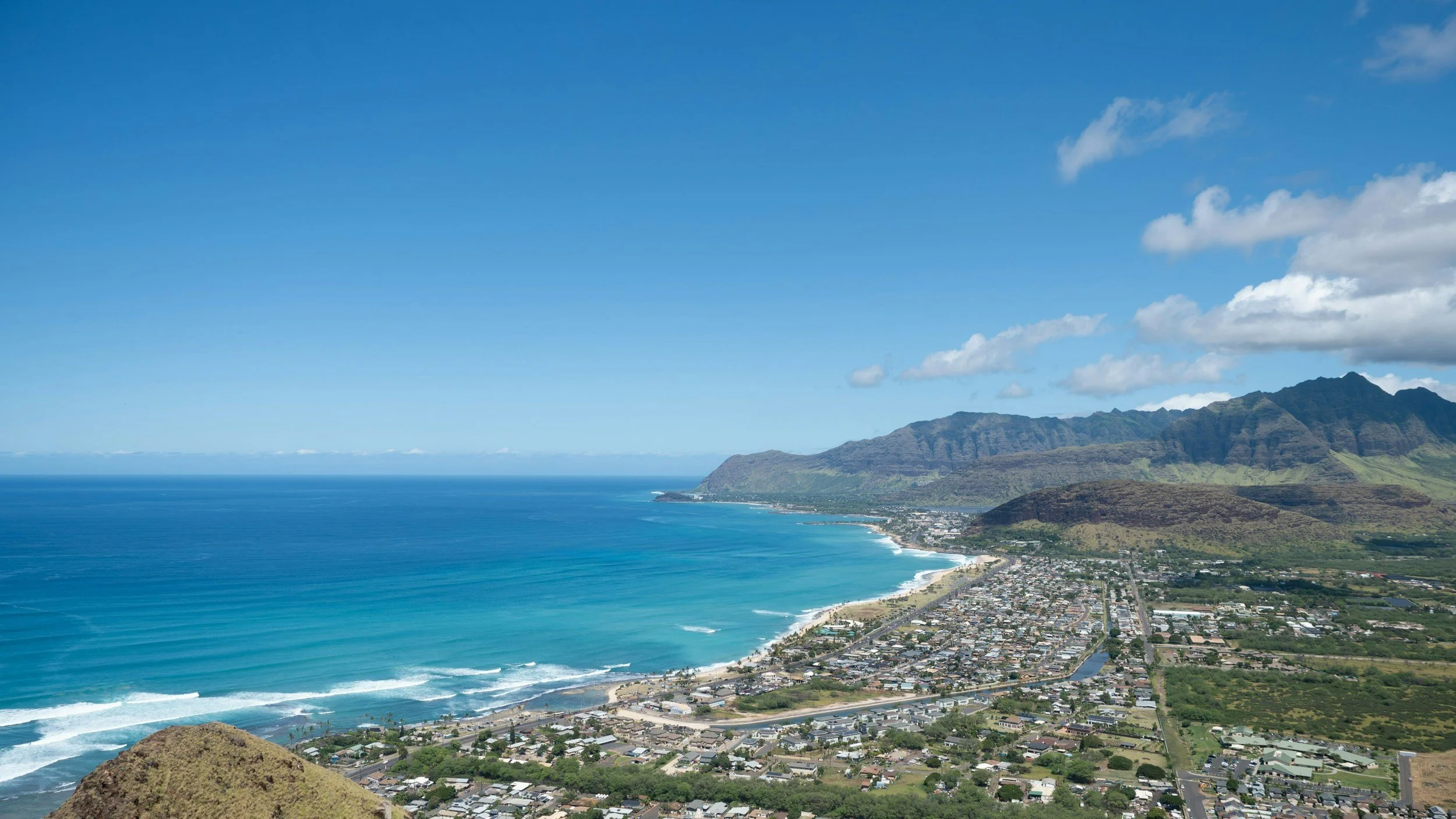
The name Waiʻanae comes from the Hawaiian words “wai” (water) and “ʻanae” (mullet) — a fish that played an important role in Native Hawaiian life. It is commonly understood to mean “waters of the mullet.”
Welcome to
Wai‘anae
About
Waiʻanae
(Waianae)
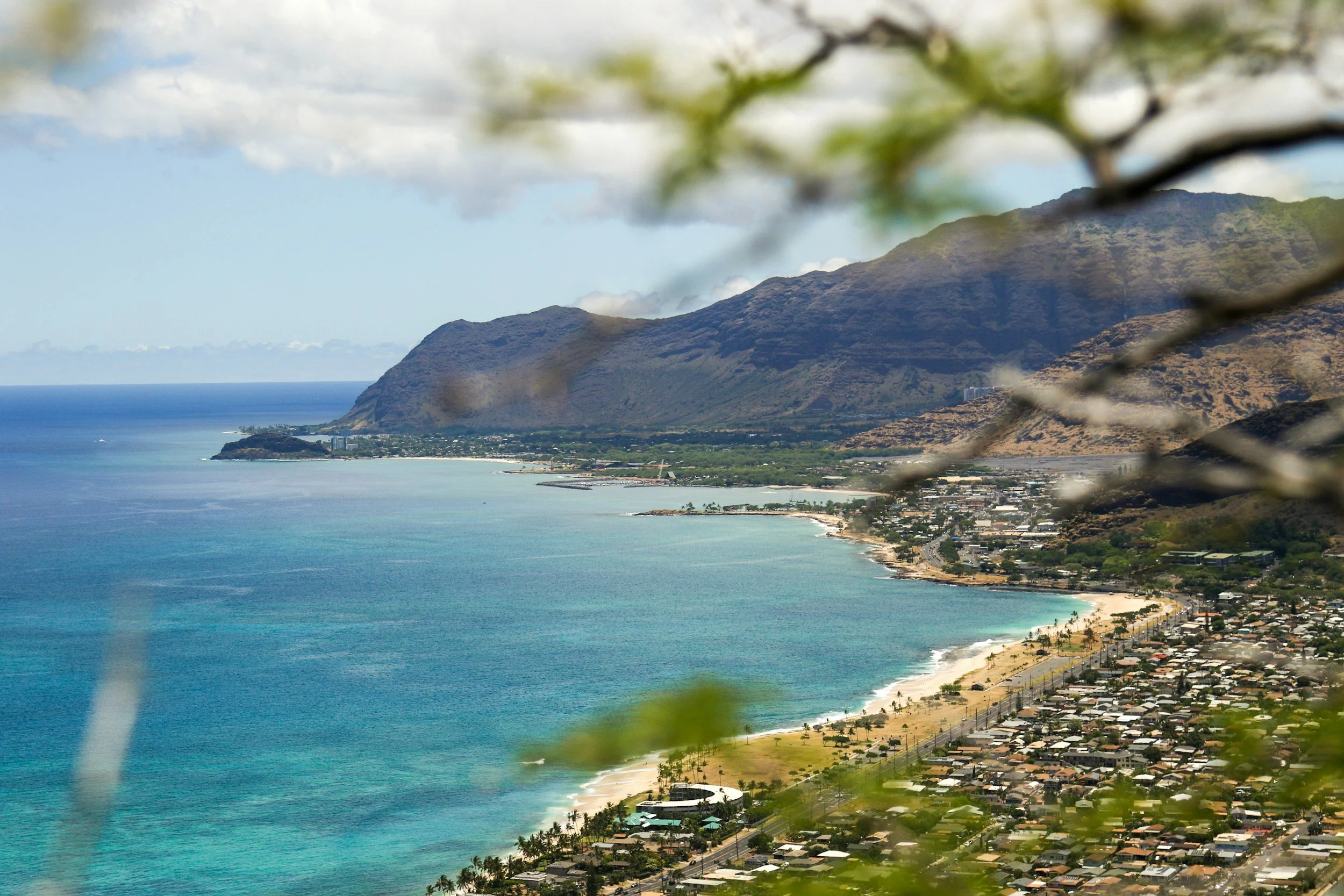
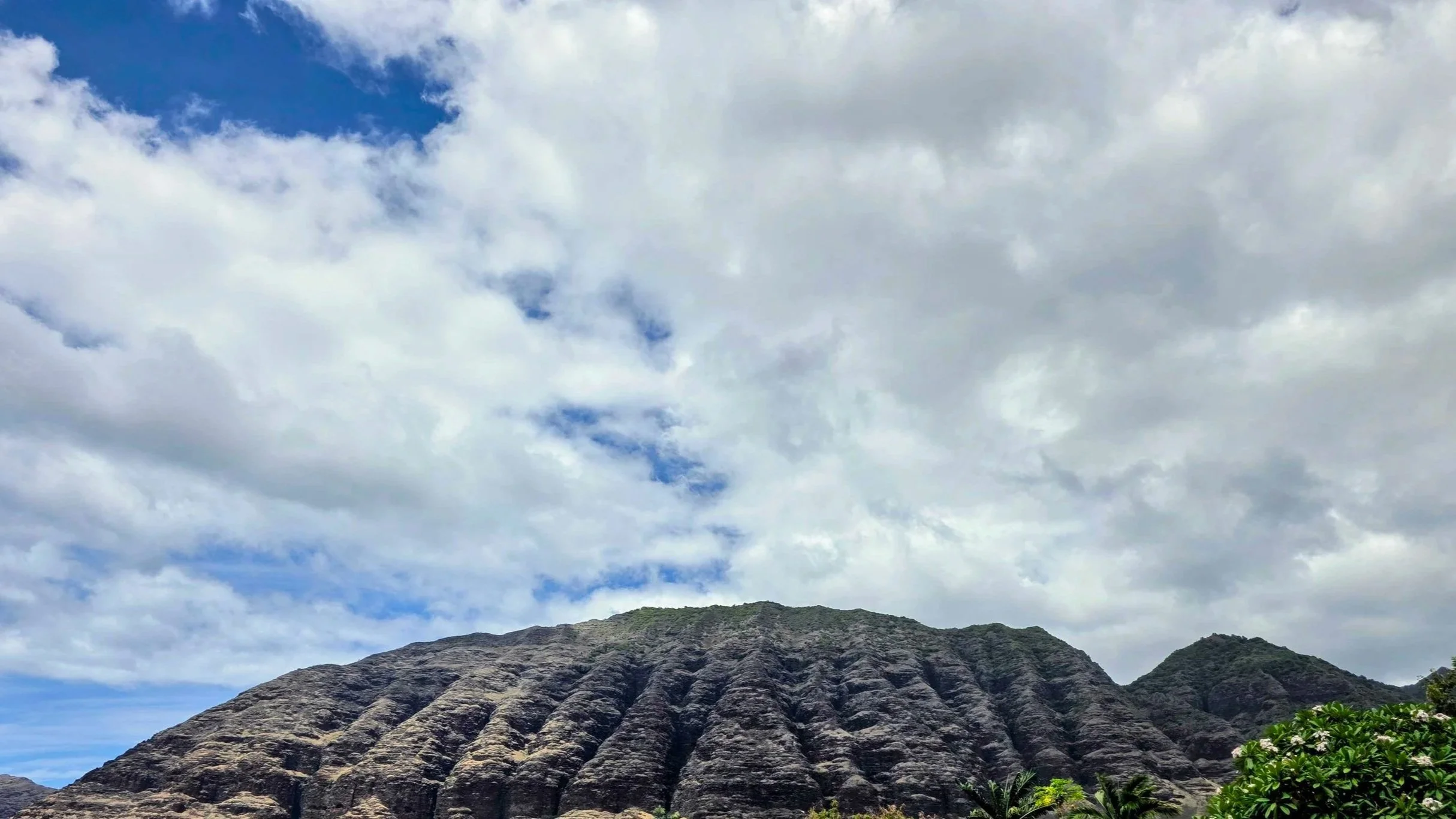
Waiʻanae (Waianae) is a city on the island of O‘ahu in Hawaiʻi. On O‘ahu, Waiʻanae is located on the western side, known as the Leeward Coast.
For centuries before Western contact, Waiʻanae was home to thriving Native Hawaiian communities whose knowledge of agriculture, fishing, and land stewardship sustained vibrant societies across its coast and valleys. Sacred sites, including ancient heiau (temples), still stand as reminders of these living traditions and the spiritual relationship between people and place.
Today, Waiʻanae remains one of the most culturally rich regions in Hawaiʻi. The Waiʻanae Coast — stretching from Nānākuli to Mākaha — is home to roughly 50,000 residents, including one of the largest populations of Native Hawaiians (Kānaka Maoli) in the world. The community also includes families from many backgrounds — local residents whose roots span generations as well as newer residents who now call Waiʻanae home.
Like many communities with deep history, Waiʻanae faces complex modern challenges alongside great strengths. Families here continue to work toward better access to housing, education, healthcare, economic opportunity, and the protection of cultural places that connect the past to the future.
Yet what defines Waiʻanae most strongly is resilience.
The community is sustained by strong families, cultural practitioners, educators, farmers, fisherman, entrepreneurs, and leaders who continue to mālama ʻāina — care for the land — and mālama kekahi i kekahi — care for one another.
A place
for our
community
to unite
and progress:
WAIANAE.IO
Waiʻanae Isn’t simply a place on the map.
It’s a living community shaped by history, culture, and the people who continue to protect and uplift it.
This platform — WAIANE.IO — exists to share the stories, challenges, and opportunities of Waiʻanae with the wider world — while connecting residents, practitioners, and allies who care about the future of this coast.
Whether you were born here, grew up here, or are learning about Waiʻanae for the first time, we invite you to learn more about the land, the culture, and the community working together to shape its future.
E mālama i ka ʻāina.
E mālama kekahi i kekahi.
Care for the land.
Care for one another.
SACRED SITES In Waiʻanae
Across the Waiʻanae coast are places that carry the memory of generations — places where ceremony was held, knowledge was passed down, and communities maintained their relationship with the land and the gods. These sacred spaces are not simply historic sites. They are part of a living cultural landscape that continues to shape the identity of Waiʻanae today.
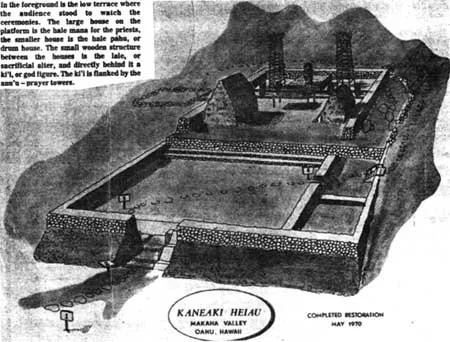
One of the most significant of these places is Kaneʻaki, an ancient heiau in Mākaha Valley dedicated to the god Kane. For centuries, Kaneʻaki served as a place of worship, learning, and cultural practice for the people of this region. While the heiau itself has been preserved, access to the surrounding sacred area has become increasingly limited.
Many practitioners and community members believe that respectful access to Kaneʻaki should be restored so that cultural traditions can continue and future generations can learn from this place.
The Waiʻanae community is working together to raise awareness and encourage solutions that protect sacred sites while honoring the people and traditions connected to them.
Learn more about Kaneʻaki and support the effort to restore access to this sacred place BELOW.
PLEASE Open
kane‘aki
TEMPLE
REQUEST
access to
KaneʻakI
TEMPLE

Kaneʻaki Temple in Makaha is one of Hawaiʻi’s most sacred cultural and religious sites — a wahi pana — where generations of indigenous Native Hawaiians have prayed to heal and to pass on cultural values.
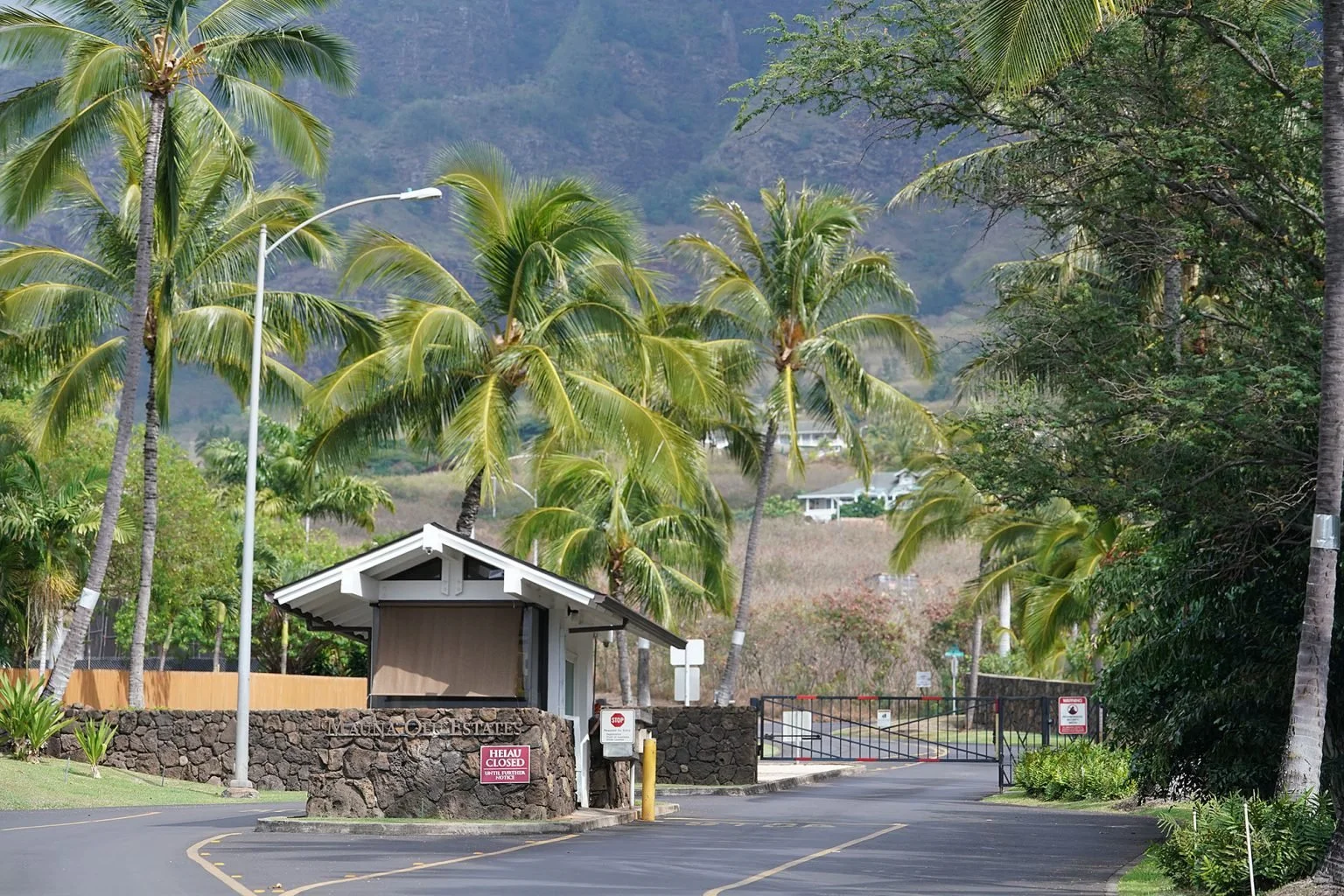
Today, Mauna Olu Estates, a private, gated community, is denying access to cultural practitioners, worshippers and students. Its security gate is being used to physically obstruct entry, subjecting visitors to arbitrary denials and threats of being reported for trespass.
PLEASE SIGN OUR PETITION TO OPEN Kaneʻaki TEMPLE to worshippers, Cultural practitioners, and students .
〰️
Please Allow Access
〰️
Kane'aki Temple
〰️ Please Allow Access 〰️ Kane'aki Temple
SIGN THE PETITION
Open kane‘aki TEMPLE
You’ll be supporting our community to:
Worship Freely: Openly access Kane‘aki Temple to pray.
Heal Spiritually: Give individuals and families a place of peace to connect and restore.
Protect Traditions: Ensure our community can learn and carry forward Hawaiian religion, beliefs, and values.
COMMUNITY
SUPPORTERS
FOR KANE‘AKI TEMPLE
Visit Kane‘aki Temple to worship, heal & learn about indigenous Hawaiian culture.
To join a tour of sacred sites like Kane‘aki Temple and more in Wai‘anae, sign up for news & updates.